Diagnosis and Surgical Treatment
When is surgery recommended?
What signs might you notice?
Clinical signs vary depending on disease severity but commonly include:
• Noisy breathing or snoring
• Increased breathing effort
• Exercise intolerance
• Difficulty coping with warm weather
• Excessive panting
• Gagging or retching
• Disturbed sleep
• Regurgitation or vomiting
• Blue gums during exercise
• Collapse in severe cases
Many dogs appear normal as puppies but gradually deteriorate as they grow older. Clinical signs are often worse during hot weather, exercise, excitement or periods of stress.
How is BOAS diagnosed?
Diagnosis begins with a clinical examination and assessment of your dog’s breathing pattern, respiratory effort and overall exercise tolerance.
Some abnormalities, particularly those affecting the back of the throat, cannot be assessed safely while your dog is awake. A short examination under general anaesthesia is therefore commonly recommended to assess the soft palate, laryngeal saccules, tonsils and other airway structures before surgery.
Depending on the individual patient, further investigations may include:
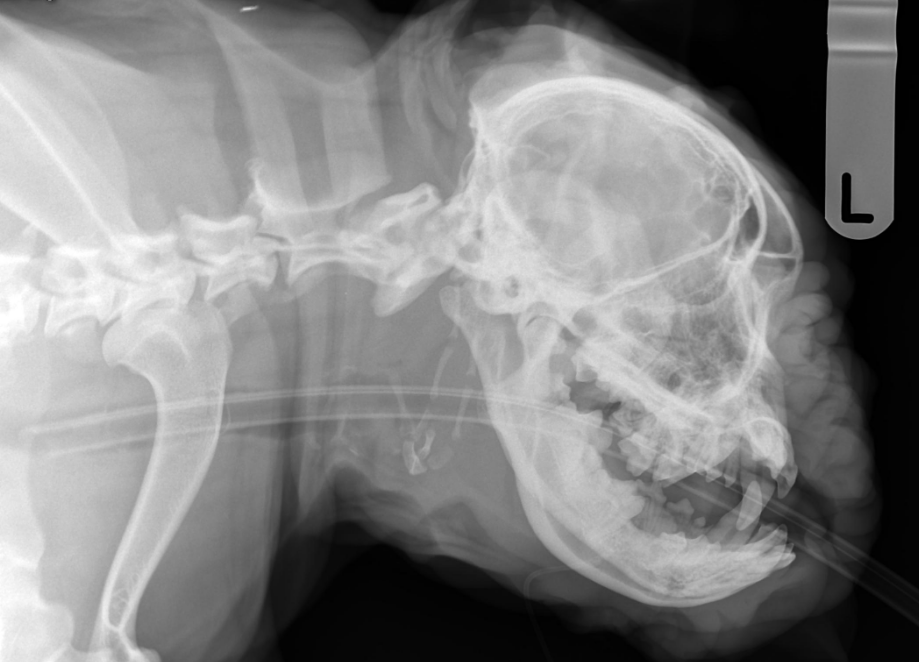
• Head and neck radiographs
• Thoracic radiographs
• CT imaging
• Endoscopy
• Blood tests prior to anaesthesia
These investigations help identify concurrent abnormalities and allow surgery to be tailored to your dog’s individual anatomy.
BOAS and gastrointestinal disease
Many dogs with BOAS also develop gastrointestinal problems.
The increased effort required to breathe creates excessive negative pressure within the chest, encouraging acid reflux and irritation of the oesophagus. Some dogs may also develop delayed stomach emptying or hiatal hernias.
Common gastrointestinal signs include:
• Regurgitation
• Vomiting
• Excessive salivation
• Difficulty swallowing
• Poor appetite
Many dogs experience significant improvement following airway surgery, although some patients continue to require medical treatment for gastrointestinal disease.
What is BOAS?
BOAS is not a single abnormality but a combination of anatomical changes affecting the upper airway.
Primary abnormalities commonly include:
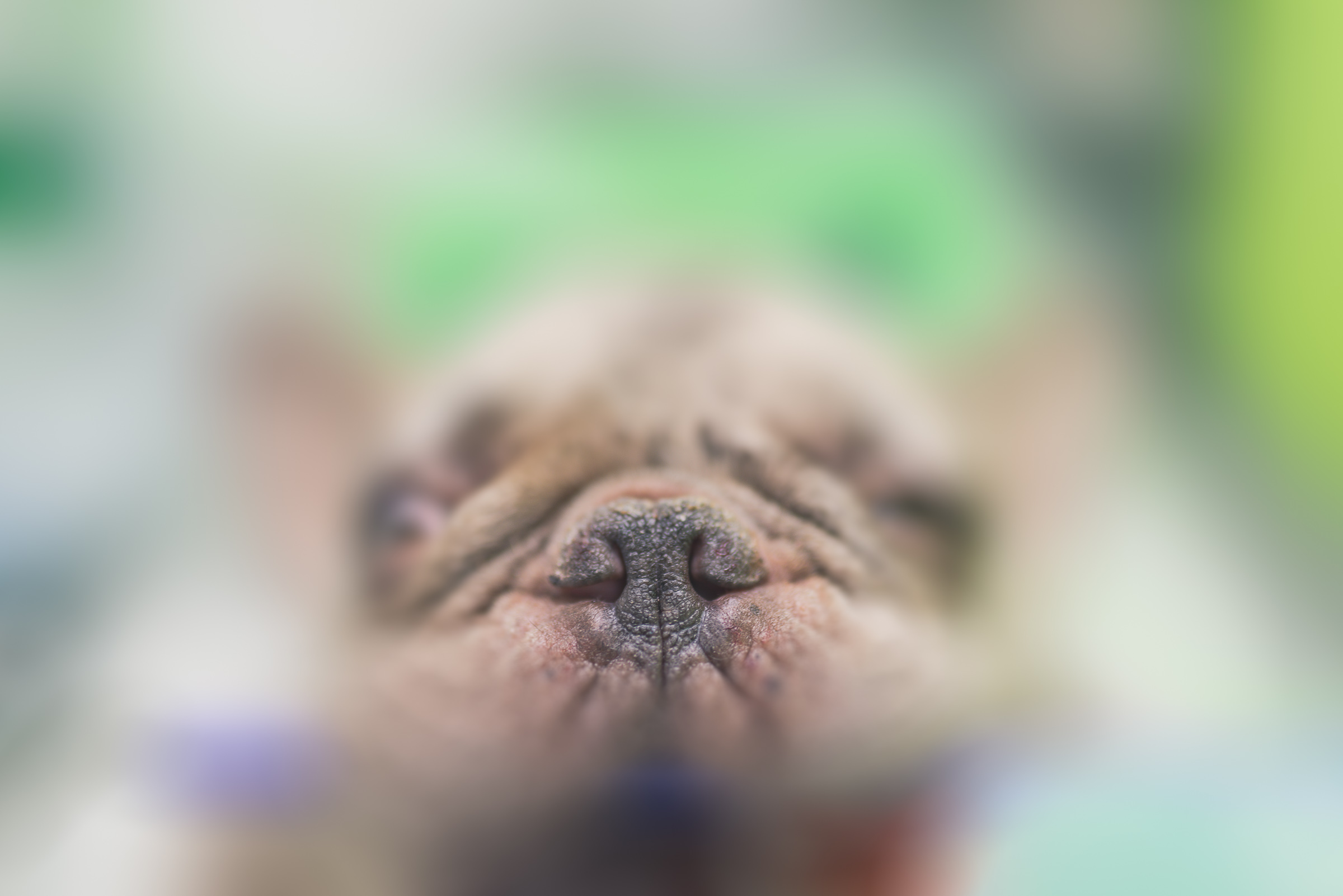
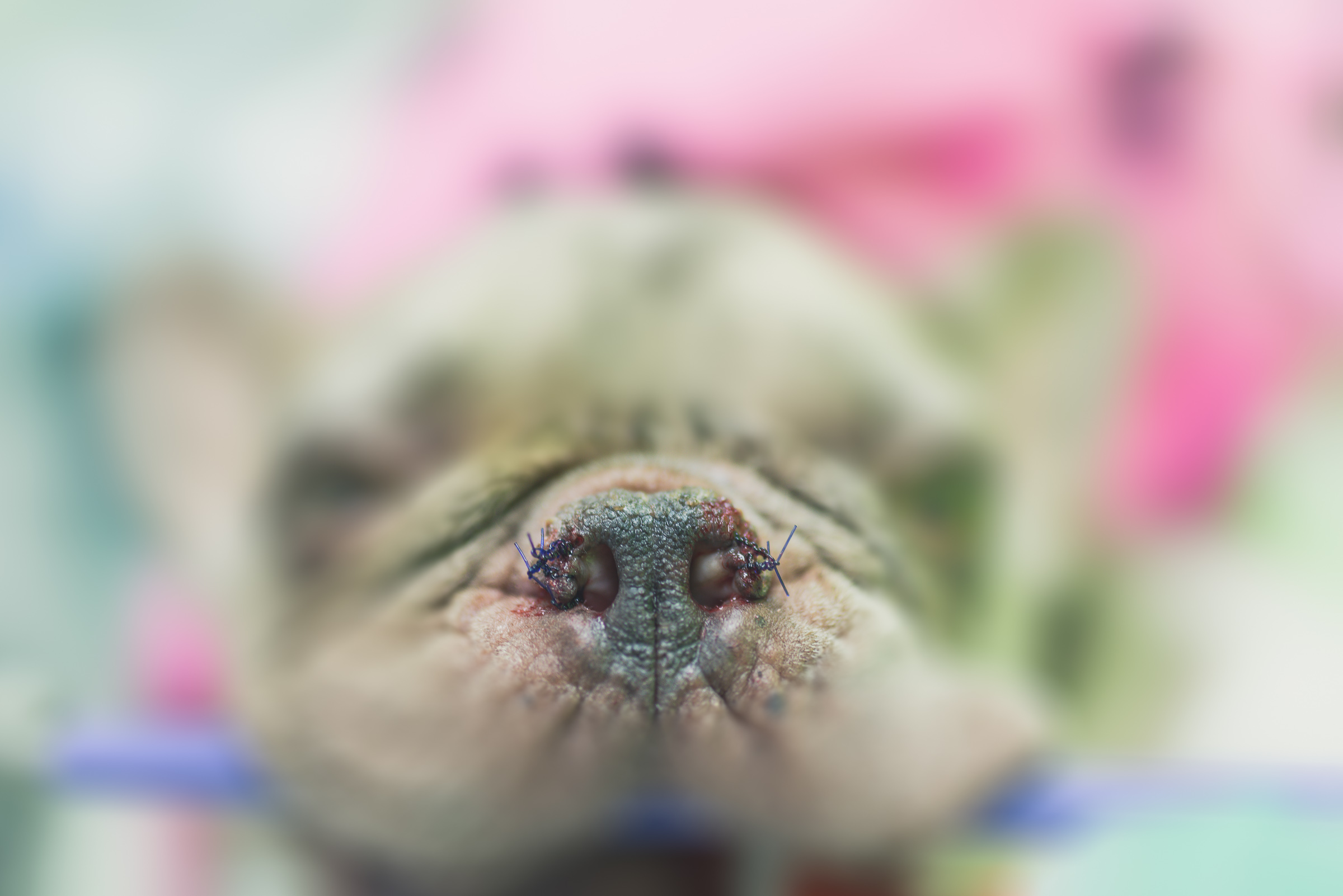
• Narrow nostrils (stenotic nares)
• An elongated soft palate
• Narrowing of the trachea (hypoplastic trachea)
• Abnormal nasal tissues that further restrict airflow
As breathing becomes more difficult, the increased negative pressure generated during inspiration can cause additional secondary changes including enlargement of the laryngeal saccules, collapse of the larynx and collapse of tissues within the throat.
This is why BOAS is considered a progressive disease rather than simply a breathing problem that remains unchanged throughout life.
Additional procedures
Some dogs may also benefit from additional procedures such as:
• Tonsillectomy
• Investigation or treatment of gastrointestinal disease
• Advanced airway surgery for severe laryngeal collapse
The procedures performed depend entirely on the findings during examination under anaesthesia. Not every patient requires every procedure.
What happens after surgery?
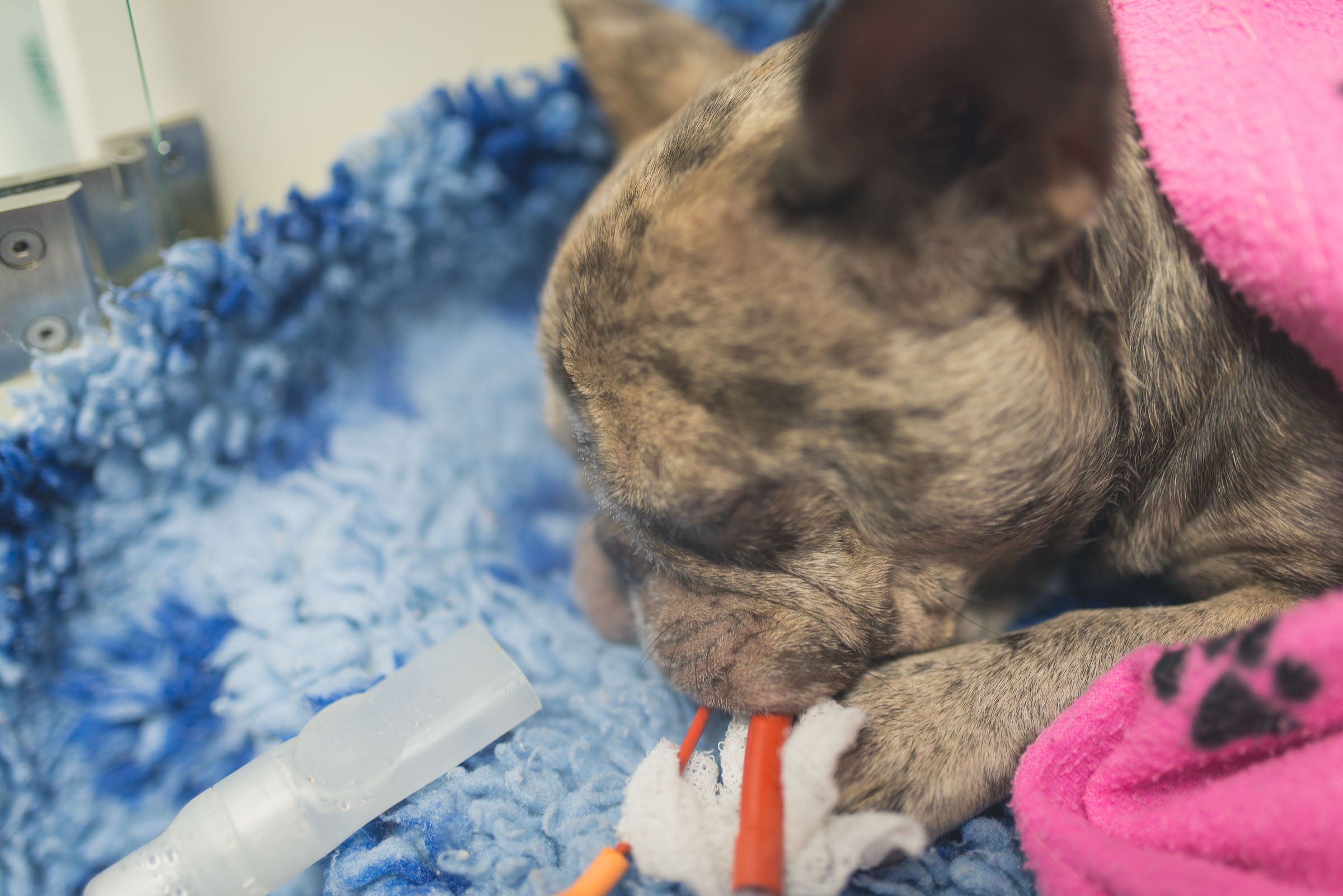
Recovery following BOAS surgery requires careful monitoring because swelling of the airway is most likely during the first 24 hours after surgery.
During hospitalisation your dog will be monitored closely for breathing pattern, oxygen levels, pain, regurgitation and airway swelling.
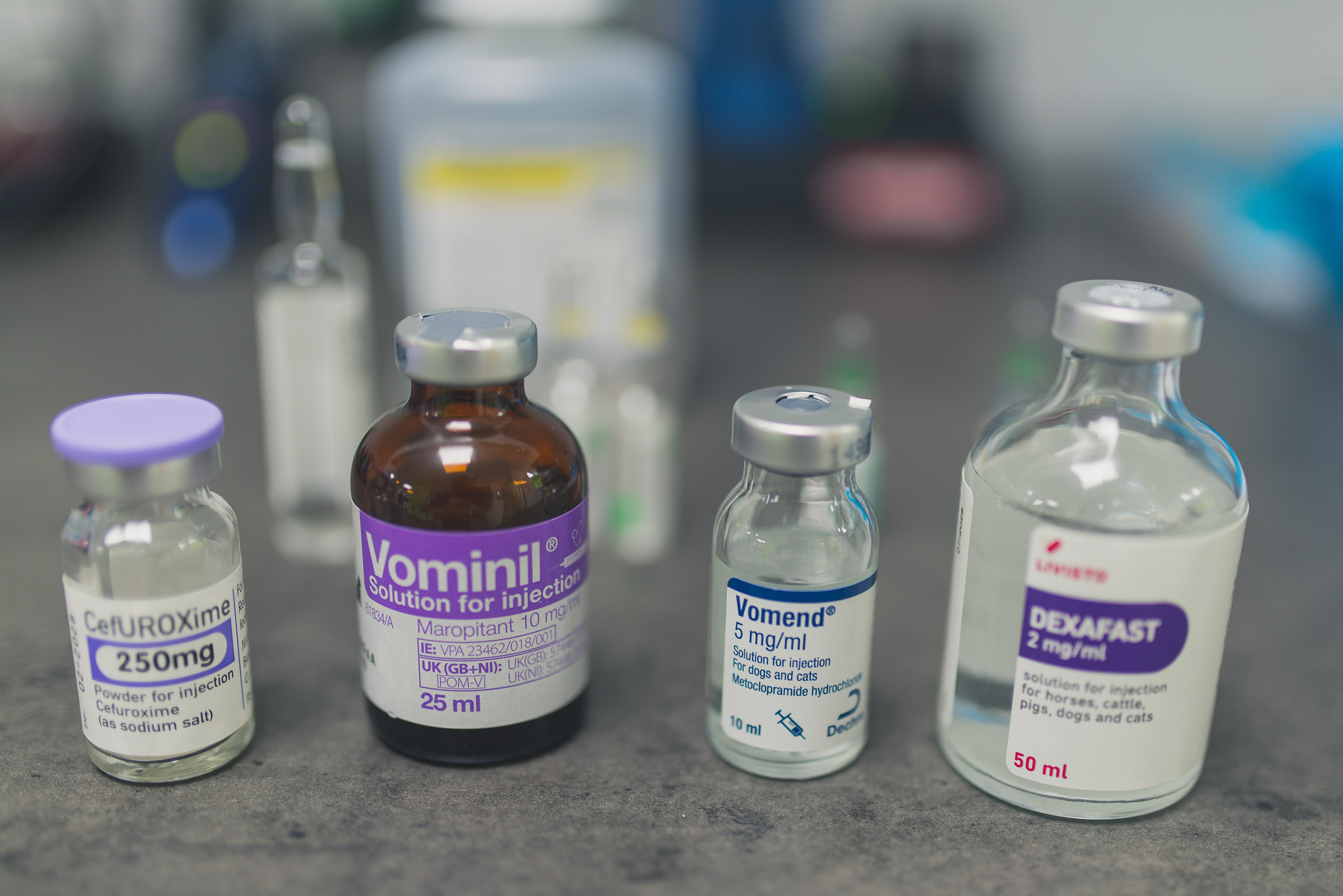
Oxygen therapy, pain relief, anti-inflammatory medication and gastrointestinal medication are provided where appropriate.
Most dogs are offered small amounts of water once fully awake and soft food later the same day or the following morning depending on their recovery.
A detailed postoperative care sheet will be provided before discharge.
Post-operative care
Recovery at home is an important part of successful treatment.
During the first two weeks your dog should have:
• Strict lead walks only
• Plenty of rest
• Soft food if recommended
• All prescribed medications administered exactly as directed
A postoperative recheck is usually performed approximately 10 to 14 days after surgery.
A detailed BOAS postoperative care sheet is available to download below.
Risks and complications
All anaesthetic and surgical procedures carry some degree of risk.
Potential complications include:
• Temporary swelling of the airway
• Bleeding
• Regurgitation
• Aspiration pneumonia
• Laryngeal swelling
• Persistent respiratory noise
• Ongoing gastrointestinal disease
In rare cases, severe airway swelling may require emergency airway management or a temporary tracheostomy.
Careful anaesthetic planning, meticulous surgical technique and intensive postoperative monitoring are used to minimise these risks.
Recovery and expected outcome
Most dogs show a noticeable improvement in breathing within days to weeks following surgery.
0-2 weeks – Restricted exercise while healing occurs.
2-4 weeks – Breathing continues to improve and activity is gradually increased.
4-8 weeks – Most patients have returned to normal activity with improved exercise tolerance.
Long term – Many owners report quieter breathing, improved exercise tolerance, better sleep and an overall improvement in quality of life.
Although surgery significantly improves airflow, it cannot change the underlying skull shape. Maintaining a healthy body weight, avoiding overheating and using a harness instead of a collar remain important throughout your dog’s life.
Dogs treated before permanent airway collapse develops generally have the best long-term prognosis.
Frequently Asked Questions
Listen to the Difference
Before BOAS Surgery
After BOAS Surgery